The 2026 Hawaii Energy Conference will explore the theme of Energy: Power, People and Place as it explores pathways to resilience and sustainability using firm power, while incorporating the lessons learned from successful indigenous projects. Presented by Maui Economic Development Board, with support by the County of Maui, the conference will be held over two days at the Maui Arts & Cultural Center May 20 and 21, bringing together leaders, policymakers, cooperatives, and energy innovators.
“As Hawaii and the global community evaluate resources, development, and energy usage, we acknowledge that the methods we employ to produce, distribute, and secure energy for future generations are essential components of the energy equation,” said Jacqui Hoover, Conference Chair and Executive Director and COO Hawaii Island Economic Development Board (HIEDB); and President Hawaii Leeward Planning. “These components will be examined separately and regarded as a collective whole at the Hawaii Energy Conference 2026.”
The conference seeks a balance in topics and viewpoints for its audience – looking outward to lessons in energy in other states and countries to bring best-practice to Hawaii; as well as looking inward, having the local conversations to share these lessons with our neighbors.
Mana Newton, Group CEO at Tauhara North No. 2 Trust, New Zealand will bring an international and indigenous perspective to the Day 1 keynote. With deep ties to Hawaii, Mana is focused on finding economic opportunity for indigenous residents of Aotearoa, and he sees parallels between Hawai’i and Aotearoa. The trust’s mission is to balance commercial viability with cultural stewardship, ensuring the land remains in Māori ownership and continues to support current and future generations. It has joint ownership of the Nga Awa Purua geothermal power station.
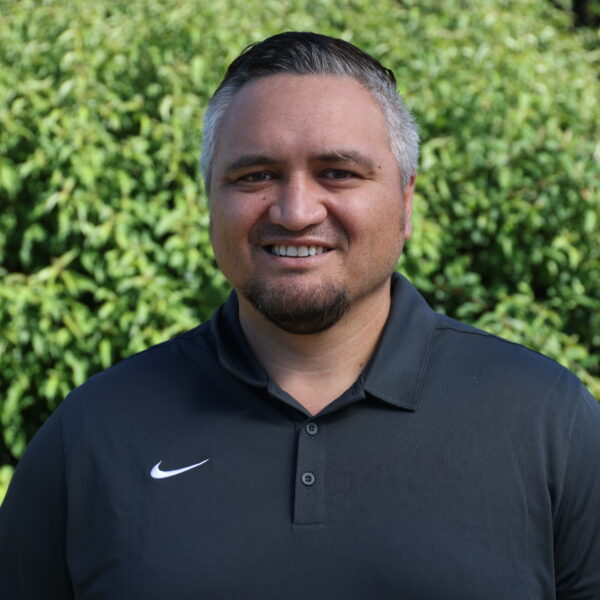
Mana Newton, Tauhara North No. 2 Trust will deliver the keynote at HEC 2026
Deep Dive Session
The conference will include a Deep Dive session that complements the main stage discussions, providing an intimate setting for up to 40 participants to engage directly with experts. This year the topic will be ‘Water and Energy’ exploring current and emerging options for seawater desalination, the status of desalination plans on Oahu and Maui, and the energy challenges that influence the feasibility and cost of these technologies. Ben Sullivan owner of LeaHi Design will lead the discussion, with panelists Barry Usagawa of Honolulu Board of Water Supply and Lauren Roth Venu CEO of 3Water, Inc.
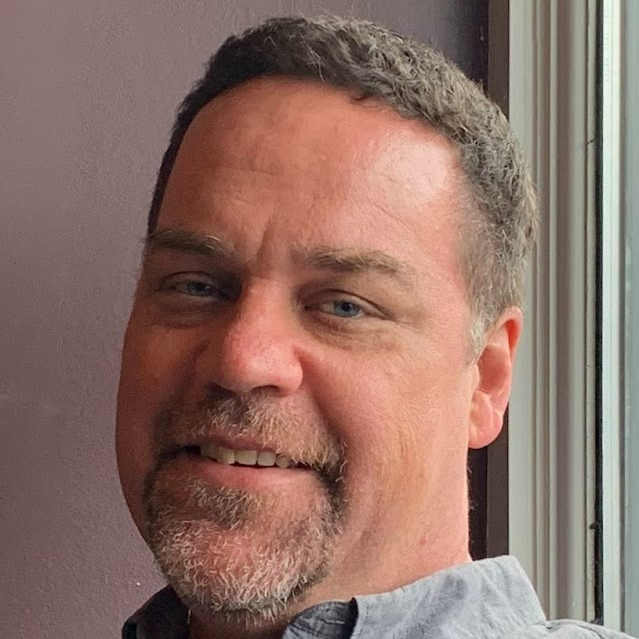
Ben Sullivan owner of LeaHi Design
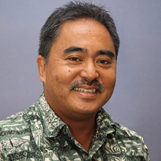
Barry Usagawa, Honolulu Board of Water Supply

Lauren Roth Venu, CEO, 3Water, Inc.
Panel Topics Include:
Resilience & Microgrids – Learn lessons from remote and island communities with selected areas sharing lessons on microgrids, storage, and resilient infrastructure.
Higher Solar Costs & 100% RPS – If tariffs and decreasing tax credits make solar more expensive, should Hawaii re-think its commitment to clean energy? Changing state and federal policies could make electricity costs from utility-scale and distributed PV projects in Hawaii higher than “avoided cost” of burning fossil fuel for the first time in decades. Will this effect customers’ appetite for solar? How will the industry and regulators adjust? Should this change Hawaii’s quest for 100% renewable generation by 2045?
Cybersecurity for Hawaii’s Resilient Energy Future – Hawaii sits at the crossroads of the Indo Pacific, making the resilience of its energy systems not only a local priority but a matter of national security. As the state advances toward a cleaner, smarter, and more distributed energy grid, the cyber risks facing utilities, microgrids, and critical infrastructure continue to grow in scale and sophistication. At the same time, Hawaii hosts one of the largest concentrations of U.S. military forces in the world, with installations that depend on reliable, secure energy to support missions across the region. This panel brings together leaders from the energy sector, cybersecurity community, and the Federal government to discuss how Hawaii can strengthen its cyber posture through coordinated action.
Best Practices in Permitting and Policies – As communities work to deploy resilient and dispatchable energy resources, permitting and regulatory processes often become a major barrier. Projects frequently cross local, state, federal, and indigenous jurisdictions, creating complex approval pathways that can delay urgently needed energy investments. At the same time, permitting systems exist for important reasons: to protect environmental resources, respect cultural values, and ensure meaningful community engagement. This panel will explore how governments, utilities, and project developers can streamline permitting processes while maintaining these essential safeguards, and share lessons on cross-agency coordination, early stakeholder engagement, and policy approaches that help accelerate responsible energy development.
Power, People and Place – Starting plenary conversation with cultural leaders, energy executives, and policymakers on how Hawaii is redefining “generation” –power generation, cultural generation, and generational responsibility. Models from Hawaii, Tribal Nations, and the Pacific. How communities are designing and governing their own projects, what works, what fails, and what others can learn. Geothermal energy in Hawaii. What is the right model?
LNG in Hawaii – Liquefied natural gas (LNG) has periodically surfaced in Hawaiʻi’s energy discussions, but many key assumptions about its costs, emissions, and infrastructure requirements remain uncertain. This panel will explore what it would actually take to introduce LNG into the state’s energy system. Panelists will examine potential supply pathways, landed cost considerations, infrastructure needs, and the economic and regulatory challenges associated with LNG development in Hawaiʻi. The discussion will focus on identifying key barriers, risks, and opportunities as stakeholders evaluate whether and how LNG could fit within Hawaiʻi’s evolving energy landscape.
Renewable Fuel Supply for Hawaii – HECO is preparing its next round of Firm Renewable Energy procurement and has announced several contract awards. Hawaii Gas has published its Integrated Resource Plan and filed its first-ever Renewable Gas Tariff with the Public Utilities Commission. Where is the biofuel going to come from? Who’s working on this? What kind of fuel, what is it made from, and where from? What’s the lifecycle greenhouse gas emissions carbon intensity? What’s the status of projects? What is the assessed beneficial impact?
Cultivating a Robust Clean Energy Workforce – A session exploring the needs for recruiting, training and retaining, to facilitate the development of the diverse workforce needed for Hawaii’s clean energy transition.
Featured Presentations
The panel discussions will be broken up with featured presentations. Christopher Wegner, Hazard Mitigation Specialist, Maui Emergency Management Agency will present “The Maui Method”, a game-changer for turning dangerous EV batteries to nonhazardous waste. Mark Kolesar, Senior Advisor with Ankura Consulting Group, Canada will present “Best Practices for Adding Large Load to the Grid.”
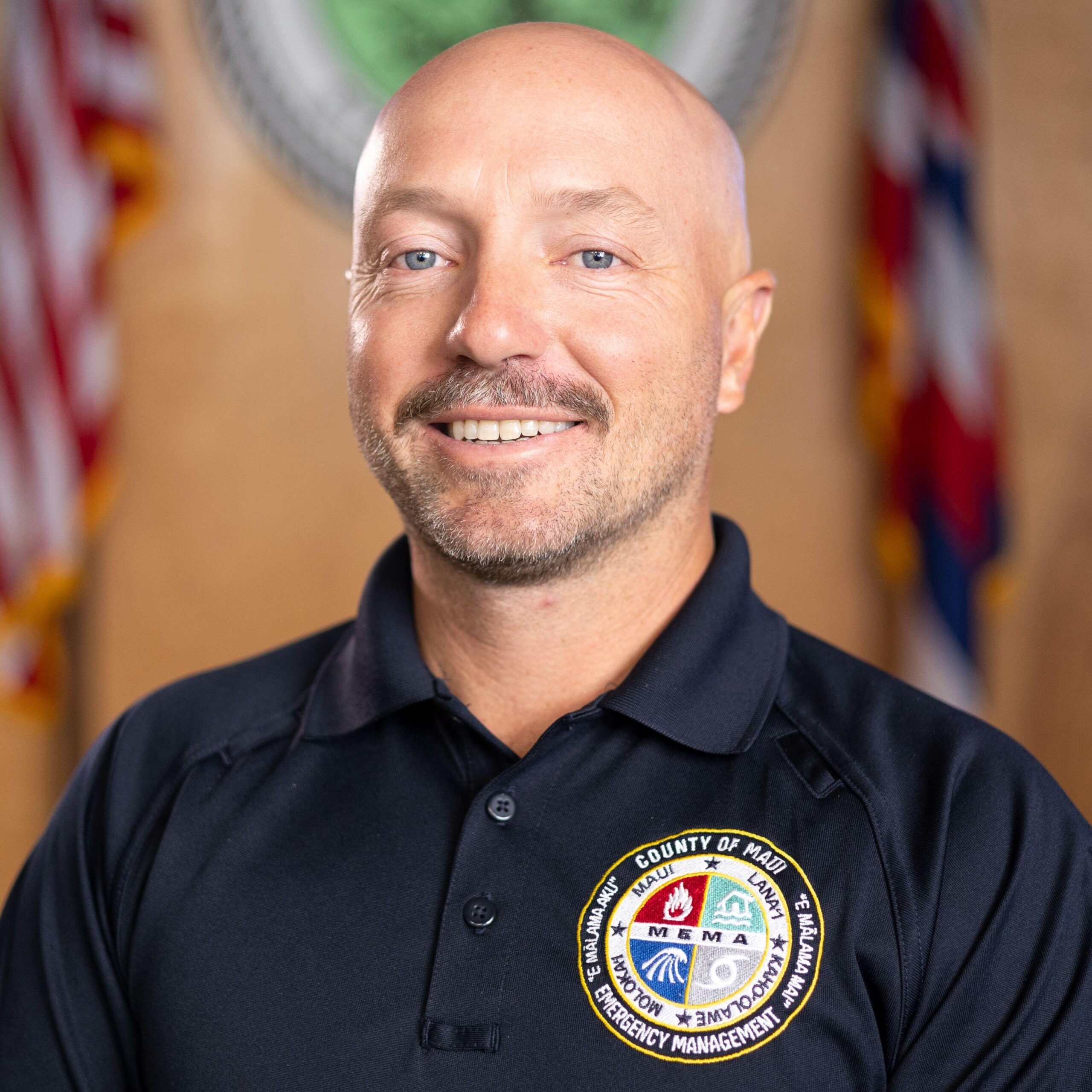
Christopher Wegner, MEMA

Mark Kolesar, Ankura Consulting Group
The HECprogram includes an exhibit venue featuring the latest renewable energy technologies and services, as well as social events to facilitate networking and collaboration. Program details and registration can be viewed at www.hawaiienergyconference.com. An advance rate offers savings to those registering before May 12.
The cross-section of attendees at the annual Hawaii Energy Conference include: renewable energy industry professionals; developers and contractors interested in microgrids and off-grid; workforce development experts and organized labor representatives; those interested in the intersection between energy and housing; climate and energy policymakers and regulators; entrepreneurs and innovators; and environmentalists and sustainability advocates.
Maui Economic Development Board is a 501c3 not-for-profit and appreciates the support of 2026 Hawaii Energy Conference sponsors: AES Hawaii, Ameresco, Hawaii Gas, Hawaiian Electric, IBEW Local 1186, IBEW Local 1260, Integrity Environmental, Island Energy Services, JM Distributed Solutions, Kauai Island Utility Coop, Leadsun, Moss & Associates, NovaTech Automation, Par Hawaii, Puna Geothermal Ventures, Terraform Power, Tetra Tech, Trio Energy Alliance, Ulupono Initiative, WSP.